
The media industry is undergoing a rapid transformation as new technologies and platforms emerge and reshape the way we consume, create, and share content. In 2023, we can expect to see some of the following trends that will shape the future of media:
Artificial Intelligence (AI):
AI will play a key role in enhancing the quality, efficiency, and personalization of media content and services. AI will enable media companies to automate tasks such as content creation, curation, moderation, recommendation, and analysis. AI will also help media companies to optimize their operations, such as advertising, marketing, distribution, and customer service. AI will also empower media consumers to interact with content in more immersive and engaging ways, such as voice and gesture control, natural language processing, and sentiment analysis.
Audience Engagement:
Media companies will have to find new ways to attract and retain audiences in a crowded and competitive market. Audience engagement will be driven by factors such as relevance, authenticity, diversity, interactivity, and social impact. Media companies will have to leverage data and analytics to understand their audiences better and deliver personalized and tailored content and experiences. Media companies will also have to foster communities and networks around their content and brands, and enable user-generated content (UGC) and co-creation opportunities.
Immersive Media:
Immersive media technologies such as augmented reality (AR), virtual reality (VR), mixed reality (MR), and 360-degree video will create new possibilities for storytelling and entertainment. Immersive media will enable media consumers to experience content in more realistic and immersive ways, such as being transported to different locations, times, or perspectives. Immersive media will also enable media creators to experiment with new formats, genres, and styles of content. Immersive media will also create new opportunities for monetization, such as premium subscriptions, in-app purchases, advertising, and sponsorship.
Low-latency Content Sharing:
Low-latency content sharing technologies such as 5G, edge computing, cloud gaming, and live streaming will enable faster and smoother delivery of high-quality media content across devices and platforms. Low-latency content sharing will enable media consumers to access content anytime, anywhere, and on any device. Low-latency content sharing will also enable media creators to produce and distribute content in real-time or near-real-time, such as live events, sports, news, gaming, and e-sports.
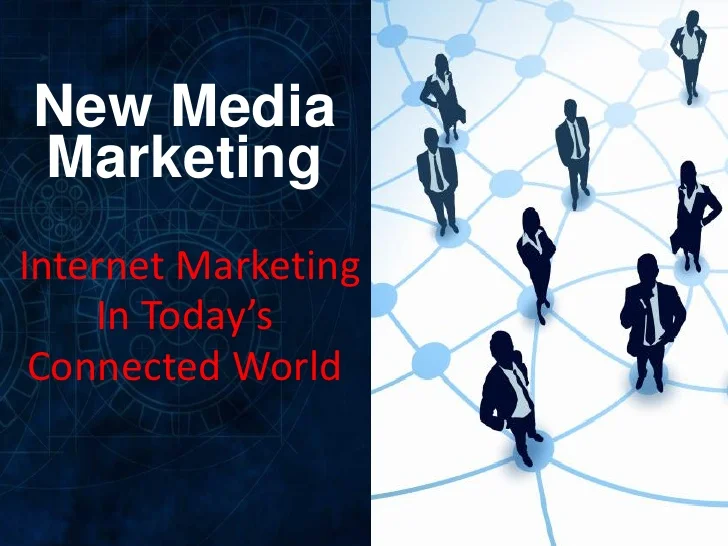
New Media Marketing:
New media marketing technologies such as influencer marketing, social commerce, shoppable video, gamification, and blockchain will enable new ways of promoting and selling media products and services. New media marketing will enable media companies to reach new audiences, increase brand awareness, generate leads, drive conversions, and build loyalty. New media marketing will also enable media consumers to discover new content, get recommendations from trusted sources, make purchases within the content environment, and earn rewards for their engagement.
Blockchain:
Blockchain technology will enable new ways of creating, distributing, and consuming media content. Blockchain will enable media companies to create more transparent and secure transactions with their partners and customers. Blockchain will also enable media companies to protect their intellectual property rights and prevent piracy. Blockchain will also enable media consumers to access more diverse and decentralized content sources. Blockchain will also enable media consumers to own their data and identity online.